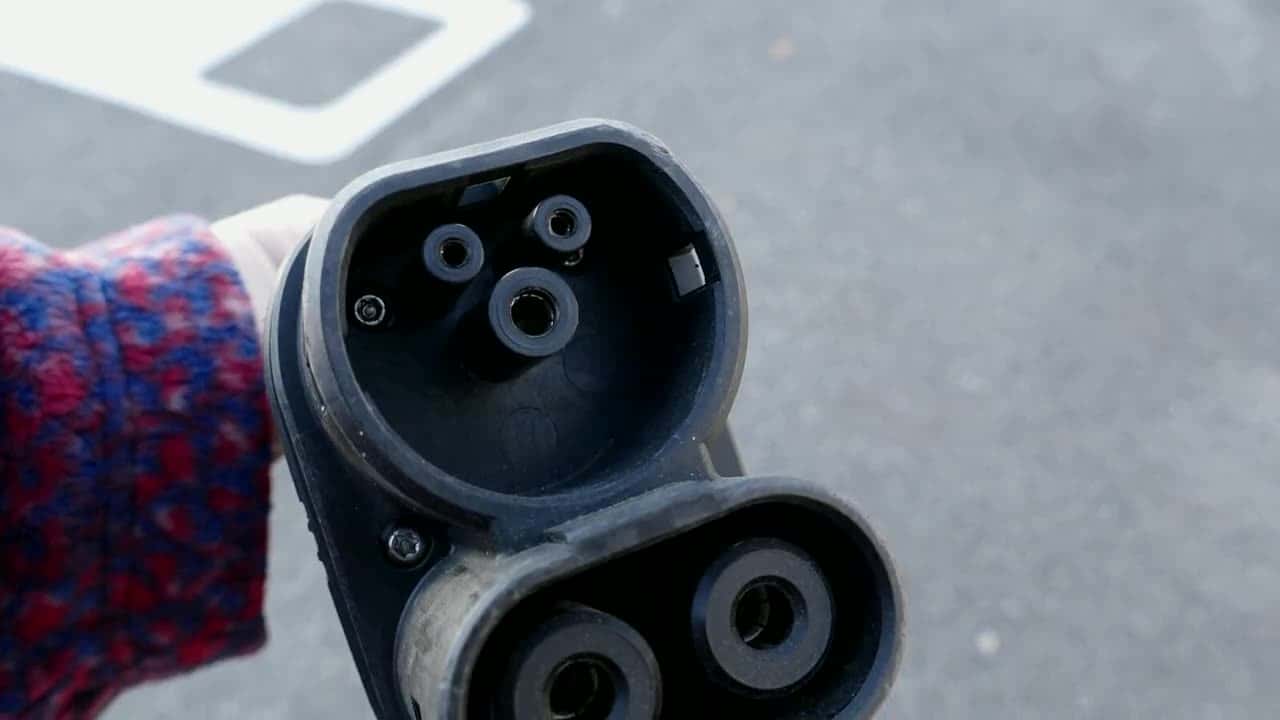
Any 16 A socket
~2.2 kW. Adds about 12–15 km per hour. Good for emergencies and overnight top-ups.
Charge at home overnight, top up on fast chargers for long trips. Here’s everything you need to know — and the parts we handle for you.
~2.2 kW. Adds about 12–15 km per hour. Good for emergencies and overnight top-ups.
Adds 40–70 km per hour. Most batteries go from nearly empty to full overnight. We survey, install and test it.
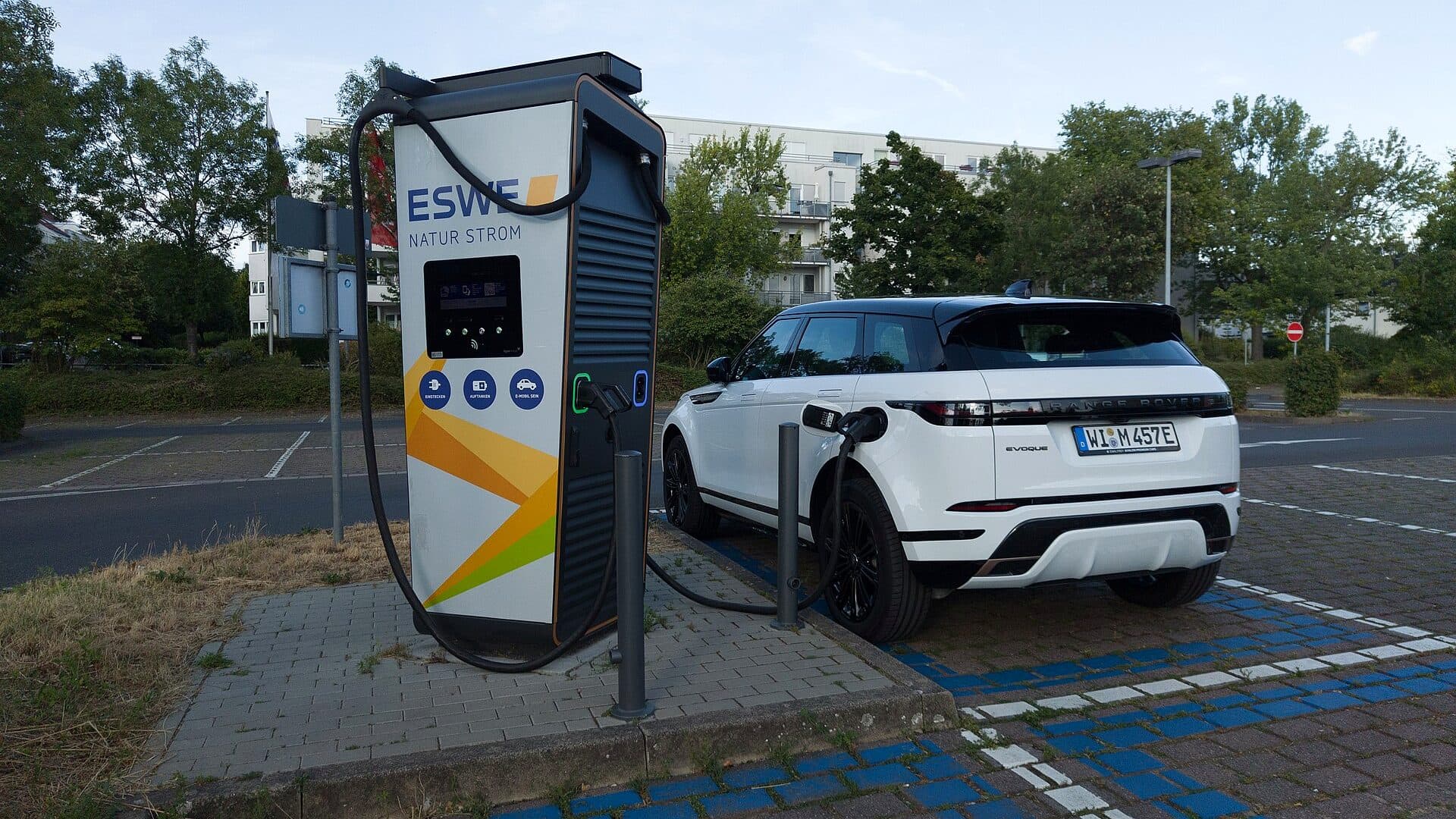
60–150 kW on today’s public chargers. 10–80% in roughly 25–45 minutes depending on the car.
Choose a car and a charger. Times are 10% → 100% at home and 10% → 80% on DC.
Before any car leaves us, we run a diagnostic scan and give you a written state-of-health (SoH) report. It’s your baseline — and your proof — for the battery warranty.
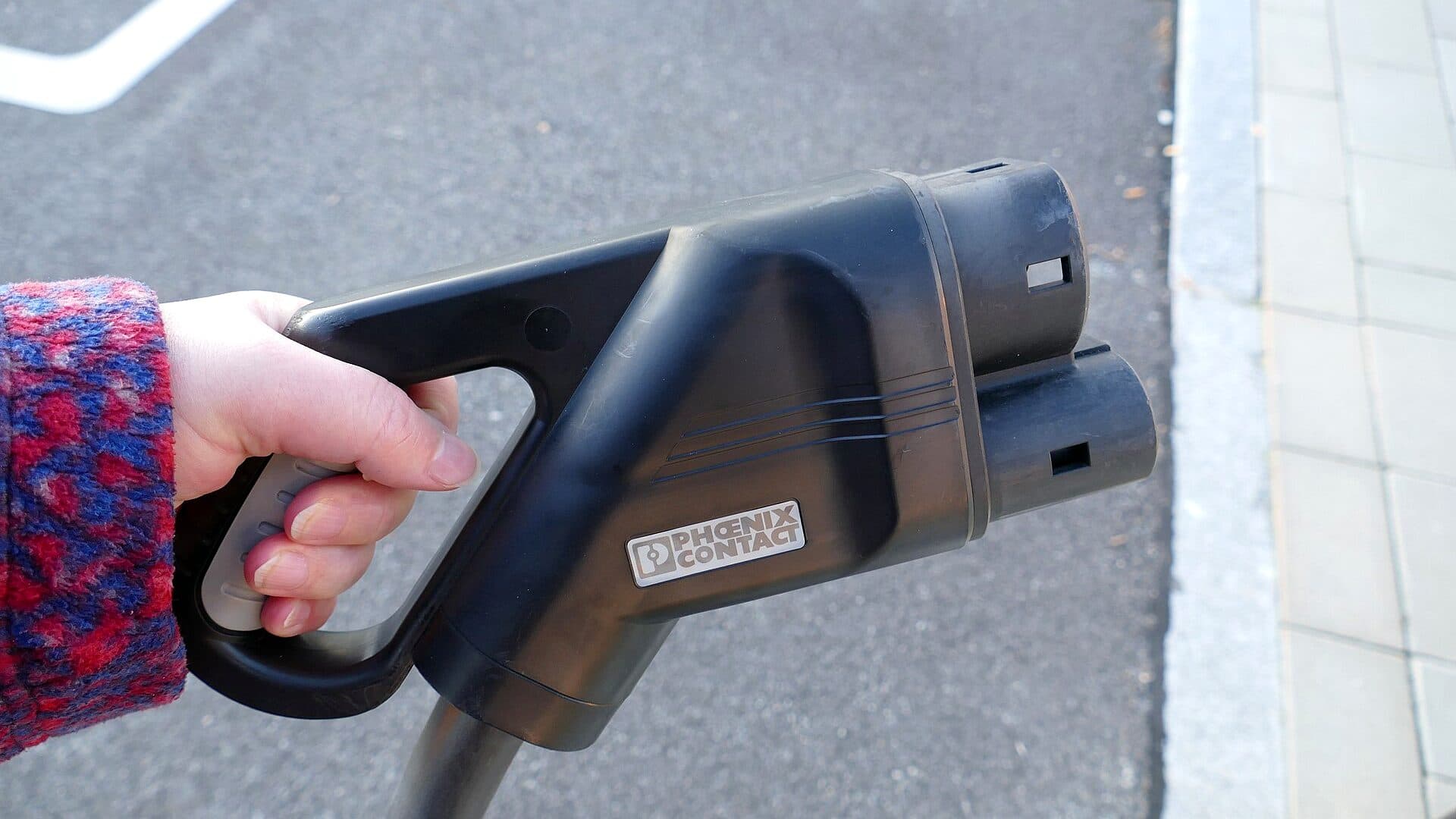
Use 100% only before long trips (LFP batteries are happy at 100%).
Dhaka heat is the battery’s biggest enemy. Covered parking helps.
It’s fine on trips — just don’t make it your only way to charge.
Correct wiring, earth and breaker. Never an overloaded extension.
Updates often improve charging and range. We help with these.
Send a photo of your parking and your electricity meter. We’ll tell you what charger fits and what it costs to install.
Send photos on WhatsApp